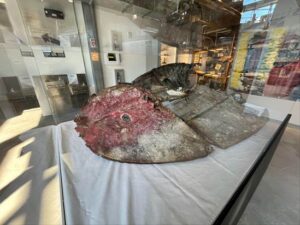
“People travel from all over the world to see this and we don’t have to!” says Alyssa Johnson, Program Manager at St. Louis River Alliance. “The river breeds a lot of life. The amount of birds we have migrating is incredible. The diversity of plants is incredible. It makes you feel big and small.”
In 1987, the lower 39 miles of the St. Louis River was tagged as an Area of Concern (AOC). After years of shipping, logging, quarrying and historical practices of water treatment, the river that flows into Lake Superior was toxic. Today, however, there is hope.
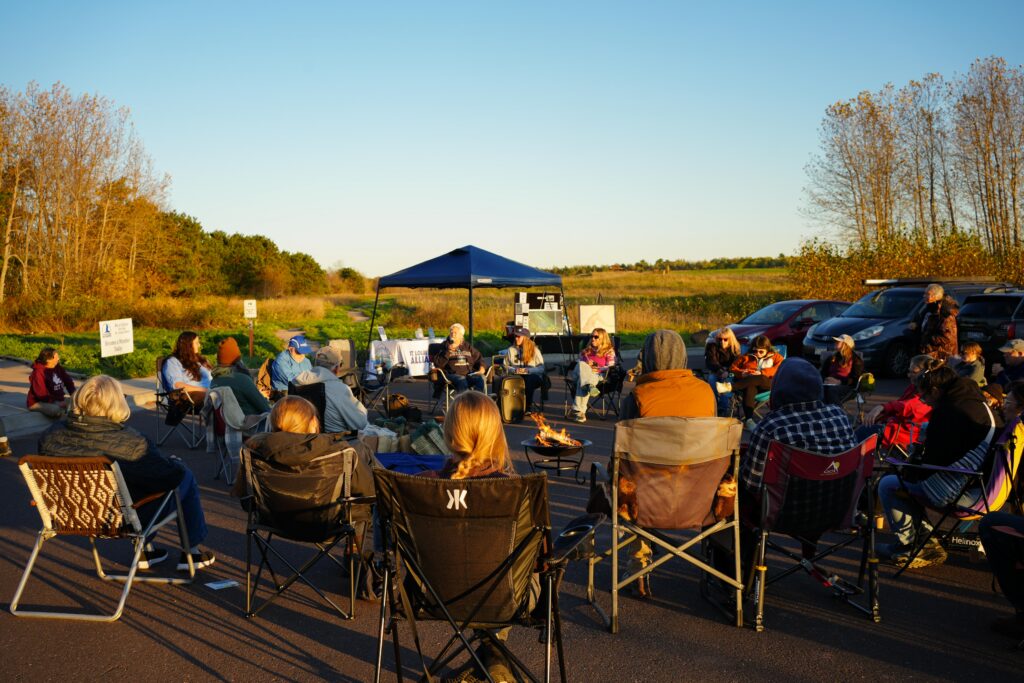
The St. Louis River Alliance (SLRA) is hosting a River Revival Event Series on the third Thursday of the month, June through September, to share that hope. Every event, partnered with the Wisconsin Department of Natural Resources (DNR), includes restoration information about the river, Wisconsin Point and Allouez Bay. Featuring presentations from local partners, storytelling, a creative activity, every occasion will provide an opportunity to share your questions and input about the river.
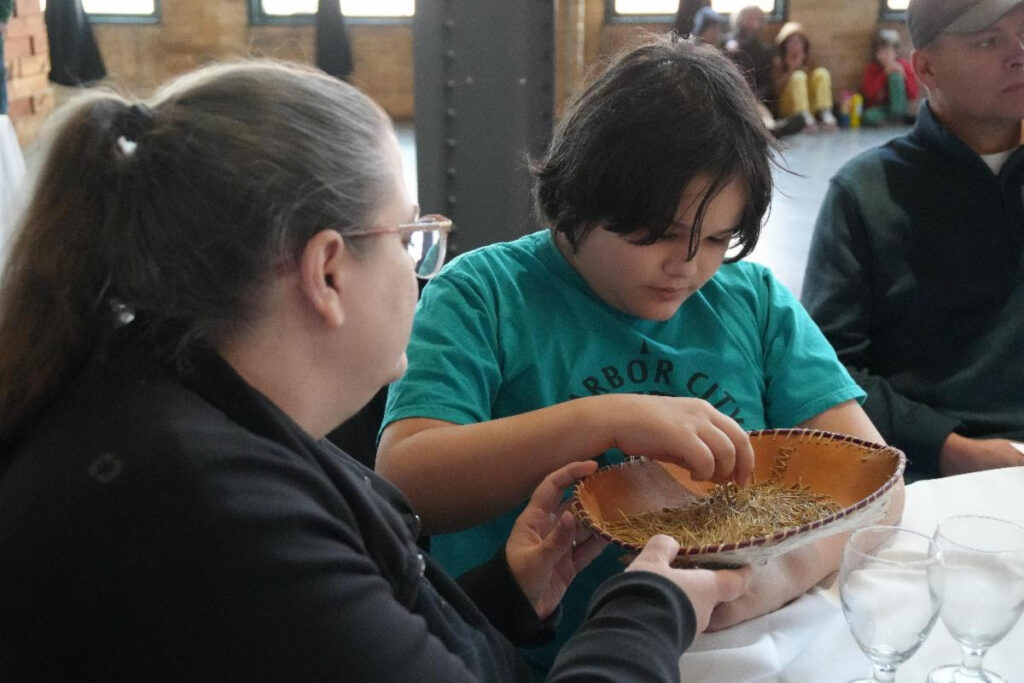
“For all the events, the goal is to have an educational component, a form of storytelling and some sort of hands-on craft,” says Johnson. “Because everyone learns in a different way.”
Community-Building Events
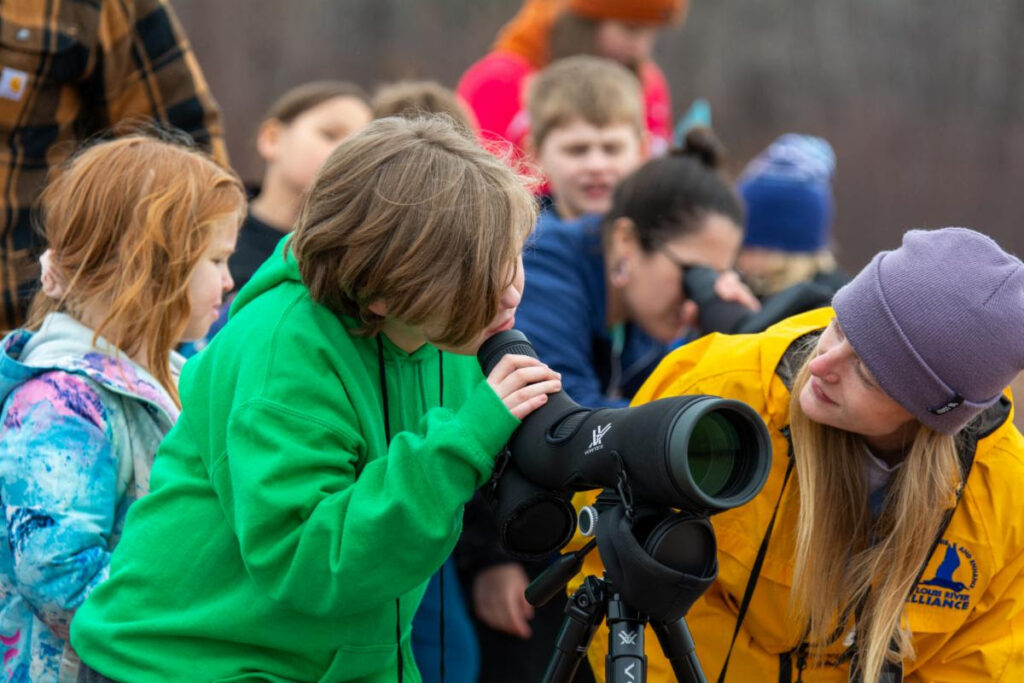
Bring your family to these fun, informative and family-friendly events. All are inclusive, provide light snacks and offer a time for questions and community.
“We’re trying to make it multi-generation. That’s where the real change happens–when families come together to do this,” says Johnson. “We have to provide for all ages so they have a safe space. And we want to be welcoming. We’re all here together.”
June’s event will focus on the 44th Avenue East Bunge Dock. In July, visit Wisconsin Point to learn about the restoration work there. The August event will feature the restoration of the wetlands in the Allouez Bay. And for the fire and history buffs, learn about the role of fire at Wisconsin Point in September.
While each day has a different theme and ties into the work being done, storytelling is an important aspect of the series. After publishing a river activities questionnaire about how people use the river and what they wanted to hear about, the SLRA created events based on that feedback.
One common theme came up repeatedly. “We heard so many times from the public, ‘We want to hear about the traditional Anishinaabe stories.’” Three of the presenters will be indigenous storytellers, while three are involved with restoration work.
Bridging the Gap
“We are the group that connects people to the river,” says Johnson of the St. Louis River Alliance. “We bridge the gap to build trust with the agencies like the Wisconsin DNR.”
The predecessor of the SLRA began in 1996 as a committee to keep communication open between the public and the agencies doing the restoration work. “They were the original citizens’ action community,” says Johnson. “They realized they needed a community voice.”
In 2009, they became the nonprofit St. Louis River Alliance. Membership includes everyone from families, businesses, organizations and tribal governments.
One of their goals is to create a “safe space” where people can gather and meet the people doing the restoration work, those using the river in recreation and those with a long history with the river. Attendees can raise any concerns and ask questions in a safe way.
Johnson also notes a change in the society’s viewpoint on activism. “It used to be common that community engagement would only last two weeks,” Johnson says the SLRA have noticed more attendees at events and more involvement at other times. The SLRA are hopeful more people will see the value in the river and the importance of improving its health.
Today’s Agencies Want Community Input
“The agencies really want the input from the community. We are kind of the middle man between the two,” says Johnson. The agencies who coordinate the Area of Concern are the tribal entity Fond-du-lac Band, Minnesota Pollution Control Agency, the Minnesota Department of Natural Resources and the Wisconsin Department of Natural Resources. “We want to build a little more trust with them and trust with [SLRA],” says Johnson. “We want people to leave knowing that we have the best intentions of hearing them out.”
Why the River Matters
The health of the St. Louis River directly affects the health of Lake Superior. “Everyone focuses on the lake and it’s beautiful,” says Johnson, “but the river is a quiet space.” Many people fish, paddle, hike or birdwatch in or around the river. The St. Louis River Watershed covers 3,587 square miles. To put that in context, it’s almost as large as the state of Delaware and Rhode Island combined. It is the second largest U.S.-based AOC (not something to brag about) and pours into Lake Superior between Superior and Duluth. Our communities are affected. Fortunately, the latest studies show the restoration works are having an impact.
Hope for the Future of the River
“Wild rice is a keystone species that tells of the quality of the river,” says Johnson. According to the Minnesota Land Trust, the estuary along the St. Louis River may once have held more than 3,000 acres of wild rice. But a 2015 study found wild rice in only a fifth of an acre of the estuary due to logging, industrial waste and wastewater pollution.
After a decade of restoration work, many pounds of wild rice were planted in the river, and studies show improvements. In a 2024 study measuring the contaminants in the water and on the restored manoomin (wild rice), researchers found the “manoomin appears to have lower levels of heavy metals…While some PFAS were detected in water and sediment, no detectable PFAS were found in manoomin seeds.”
The SLRA is hopeful about the return of recreation on the river. “More people are getting out and enjoying [the river]. I think people are craving a place of belonging. There is such a desire for people to be in community,” says Johnson.
She also sees a change in attitudes toward pollution and the ways humans affect the earth. “People are no longer OK with just letting things happen. It’s inspiring to see how many people are engaged. And as it gets cleaner, we’re seeing a change in the generations. It’s all a reflection,” she says.
Johnson and the SLRA also note a change in how agencies communicate with the community. “They want the community to be a part of the process. The point is to bring people along on the journey so they have a voice in the process,” she says.
Thanks to the many efforts, the agencies involved hope the St. Louis River will be delisted as an Area of Concern as soon as 2030.
Care About These Issues? Get Involved
“Become a member of the St. Louis River Alliance!” says Johnson. Membership fees fund future events. “People feel helpless, so show up! We’ll tell you what you can do.”
Johnson stresses that staying involved with small nonprofits is a great way to make change at the local level. “Bring your kids. Bring your parents and friends. Get them involved! Love the place you live,” she adds.
The River Revival Event Series is on the third Thursdays of the month (June 18, July 16, August 20, September 17). Times and locations change. Check https://www.stlouisriver.org/events for updated information.
Rose M. Fife is a freelance writer and musician. She lives in Duluth with her family and still mostly feral dog.