A County on Two Wheels
A typical bike ride follows a familiar routine. The ride begins at my back door with a bright, warm sun, a light breeze and barely any clouds to block the light. Staying safe is always important, so I opt for the residential streets to make my way to the Millennium Trail.
I weave through the labyrinth of closed roads caused by the perpetual state of construction, which is typical in every city and town I have lived in. Although safer than some of the streets, there are still hazards I need to watch out for, mainly inattentive drivers; sometimes people genuinely can’t see you. All are adversaries of any cyclist on the road.
Many drivers become frustrated when they see cyclists using the streets instead of the sidewalks. The reality is that people aren’t checking the sidewalks with the same vigilance they do the roads. In fact, the road is much safer.
Although chaotic, this portion of the ride doesn’t last very long. After one major road crossing and a set of railroad tracks, I finish the first two miles of this ride and make it to the Millennium Trail in Superior. This is another two-mile section of a nice, smooth paved trail. Biking to and on this trail allows one to connect with nature and their community at the same time, all without traveling very far or starting the car.
Senior Slide is a small section of off-road trail for hiking and mountain biking that runs along a portion of the paved trail. No matter how you ride, one can immerse themselves in large white pines, watch wildlife and pause to slow down.
The next part of my ride has long, rolling hills that really get my heart rate up. At the end of the Millennium Trail, I take a left onto Billings Drive. The first section is paved, while the longer second portion transitions to gravel.
As I zoom down the hills of the paved stretch, I’m surrounded by a scenic road lined with trees. Among these trees are small marsh areas filled with lily pads and other plant life. This creates what I assume is a vibrant ecosystem. I conclude that from the diverse birds I see feeding there. I typically spot ducks, but sometimes, a sneaky heron is spotted listening to the water.
Along this route are hidden houses with long driveways that stretch far from the road I’m riding on. I typically catch glimpses of the residents walking on the pedestrian path that runs alongside. But not only humans and birds are found here. Bears also inhabit this area. This fact keeps me vigilant. I’ve encountered them before. I once even came across a mother and her cubs in a frightening experience.
As I continue, the second portion begins with a dusty gravel road. Sunlight beams glisten through the dust, which struggles to settle in the gentle breeze. This part of the ride is the best, lasting for another five miles or so. Along this stretch of the trail, there are three big hills that are a blast to ride down, along with some smaller ones to conquer. The first big hill approaches, and at its base lies a large swamp area. Two ducks loitering at the edge don’t seem to mind the clattering of my bike chain as I whiz past. I can’t help but wonder about their safety from passing cars.
Next, I progress toward the other hills in this area. But first, I pause at a boat launch overlooking Pokegama Bay. Here, the water is calm and mirror-like, splotches of grays, tans and dark greens of the distant Duluth hills reflected on the water. This reveals an alternate dimension where life is painted.
Swans dot the water, appearing almost suspended in time. I take a large gulp of water and then resume my ride. A hint of spring is in the air.
The second hill is enjoyable, but the third hill is the real highlight. I call this one the Soaring Eagle. It’s incredibly steep, and the top speed I can reach without pedaling is around 30 miles per hour. When I reach the bottom, there’s a smaller hill to climb, but at this speed, I don’t need to pedal to make it over the top of that one. I continue along to the end of the Soaring Eagle.
After this, I encounter another boat launch. This area features three informative signs. One discusses pollinators and the various wildflowers native to the region. Another emphasizes the importance of conservation efforts for activities like hunting. The last sign captures my attention with its focus on the rebounding populations of wild rice, sturgeons and otters. These species suffered due to the mining industry’s toxic metal runoff. Fortunately, conservation efforts and stricter regulations have caused these organisms to make a significant comeback.
I pause to reflect on what life was like before profit-driven industries prioritized growth over the environment. After a moment of contemplation, I mount my bike and press on. Ahead lies a much larger hill that I must climb. Once I scale that, it’s about another mile to the end of the road. This marks the halfway point before I turn around and retrace my route back home.
There’s a rhythm to riding in Superior, and even throughout Douglas County. In spring, your tires buzz over wet gravel and frozen shadows; in summer, the roads glow and the wind carries the scent of pine and lake. I’ve ridden all around Superior, to Pattison State Park, to Brule, and up to the shore. And to Solon Springs. The routes are never short of breathtaking scenery, sometimes rough, and always revealing.
They connect more than destinations – they connect the people of Douglas County to the land and each other. But the wheels I pedal didn’t start turning in Superior. My relationship with biking began long before, in Douglas County, Nebraska. It’s always been a way for me to heal and connect with others. Now, here in Douglas County, Wisconsin, I get to continue connecting with nature and my community.
Biking in Douglas County offers more than just a mode of transportation; it’s a way to weave ourselves into the fabric of our community and the natural world. As Kelly Peterson, Executive Director of the Superior Business Improvement District, notes, it allows us to “reconnect with the place we call home,” fostering a sense of belonging and shared responsibility. This connection strengthens our community, paving the way for a more sustainable future, resilient businesses and the assurance that our neighbors support us.
As we plunge into the future, our city is evolving rapidly. This gives individuals, groups and businesses of the community the opportunity to truly define their role in this future.
One major change for our future, and one everyone in the community will feel in some way, is the upcoming Blatnik Bridge closure. Right now, opinions and questions are swirling: How will the region adapt? Will local businesses suffer from reduced car traffic or thrive from increased local engagement?
Aside from the bridge closure, as summer rolls around, there are several projects the city is completing. The recently released Superior Active Transportation Plan lays out goals for safer sidewalks, better bike infrastructure and more accessible routes countywide. Projects like the Hammond Avenue redesign and new trail expansions are already in motion. As Douglas County reimagines mobility and sustainability, biking can serve as a bridge – linking economy, ecology and
Legacy and Recovery: From Billings Park to Barker’s Island
Barker’s Island may seem like a go-to destination for Superior, but that wasn’t always the case. Before the 1970s, locals swam and fished at Billings Park, a now-sleepy shoreline on the St. Louis River. As industry ramped up, pollution followed. Coal tar, taconite tailings and other industrial waste contaminated the waters, forcing a shift.
Even as residents were driven from one shore, the waters surrounding Barker’s Island were also quietly becoming toxic. The story of Barker’s Island is one of reclamation. Cleanup projects in the 2000s and 2010s, led by the City of Superior and the Wisconsin DNR, focused on E. coli reduction, shoreline redesign and habitat recovery. The result is a now-thriving public beach, event space and trailhead.
“More people being here is good for the environment – it creates care and awareness,” says Luciana Rinelli, education coordinator at the Lake Superior National Estuarine Research Reserve (NERR). As part of NERR’s mission, she brings school groups, families, and curious travelers to the estuary for hands-on learning. Biking to the reserve – through Bear Creek Trail or the Osaugie – isn’t just scenic. It’s a quiet act of connection.
Superior to Pattison State Park
One of my favorite routes took me from downtown Superior to Pattison State Park. The ride offers a mix of smooth stretches and challenging inclines. Pine stands line the roadside, and the occasional deer watches you pedal past. It’s a test of endurance – but it also makes the park’s waterfall feel earned.
On that ride, I wasn’t chasing speed. I was looking for clarity. You notice things on a bike: the faded sign of a supper club, the place where the pavement gives way to gravel, a flock of geese lifting over the highway. These aren’t things you notice through a windshield. They come slowly, like memory.
These rides remind me that biking in Douglas County isn’t just about recreation – it’s about access. To parks. To peace. To perspective. And Pattison State Park, with its stunning waterfalls and extensive trails, embodies this idea of access to natural beauty. While its history may involve periods of intense land use, like logging, the park stands today as a testament to the value of preserving natural spaces for all to enjoy.
In a way that mirrors the goals of new biking infrastructure, Pattison provides a space for recreation and connection with nature, accessible to hikers, bikers and anyone seeking respite from the everyday
Trails, Gaps and What’s Missing
Douglas County is home to some beautiful rides: the Osaugie Trail along the water, Bear Creek’s wooded paths, the Millennium Trail stretching east. Yet riders consistently mention disappearing bike lanes, dangerous crossings (especially at Highway 2), the impossibility of turning left (by bike) on Belknap and poor connectivity between neighborhoods and nature.
“There’s no bus to Barker’s Island,” Luciana notes. “But you can bike here.”
That’s the reality for many in the county. If you can’t drive – and the bus doesn’t go – your bike becomes your bridge.
The Active Transportation Plan identifies several “high-stress” road segments where riders feel unsafe due to speed limits, lack of crossings or bike lane gaps. Recommendations include protected bike lanes on Belknap Street and improved signage near Osaugie Trail access points, critical links in the local bike network.
In the summer, biking to Barker’s Island is one of the most rewarding rides in Superior. The breeze off the lake, the estuary trails, the chance to watch otters play or wander through the estuarium – it’s all part of what makes this spot special. But getting there by bike isn’t always easy. The crossing at East 2nd Street near the base of the Blatnik Bridge is a gauntlet: fast-moving traffic, limited signage and no median refuge make it feel unsafe, especially for families or new riders.
The Superior Active Transportation Plan identifies this exact concern and proposes upgraded crossings at Belknap Street, 9th Avenue East, 22nd, 31st, 39th and 50th Avenues East. These would include high-visibility crosswalks, pedestrian islands and flashing beacons – simple but powerful tools to make Barker’s Island more accessible for everyone.
One place I would like to see more signage is the new Hammond Street multi-use trail. This trail is wonderful and makes accessing the main parts of the city very easy. However, many drivers are not used to the new infrastructure. I see many people pull into the crosswalk before checking sidewalks. Signs and more warnings to drivers remind them about the cross walk before turning onto Hammond.
I carry this with me each time I ride – especially as someone who’s had to rebuild trust in my own body and in the land beneath me. Every ride is a quiet rebellion against isolation. And in Douglas County, it’s also a kind of civic participation.
Businesses on the Bike Path
There is dynamic interplay between Superior’s burgeoning bike culture and its local businesses. These enterprises both nurture and draw vitality from the community’s pedal-powered spirit. It’s a story woven with the vision of individuals like Kelly Peterson, who champions the bicycle as a thread connecting commerce, community and the very soul of Superior.
In the heart of downtown Superior, where the city’s pulse quickens, you’ll find Kelly Peterson, the dynamic Executive Director of the Superior Business Improvement District. On a gloomy Friday, her smile and bright green eyes have the power to light up any room, a testament to the vibrant energy she brings to her work. This isn’t just bubbly enthusiasm; it’s the driving force behind her commitment to cultivating a resilient business community, one that thrives in harmony with the city’s natural beauty.
Kelly’s story is one of resilience, marked by both tremendous loss and an unwavering ability to find beauty in everyday life. Whether she’s skiing through the crisp winter air, walking her dog along the waterfront or riding her fat bike on a scenic trail, she finds solace and inspiration in Superior’s natural spaces. This deep appreciation for the environment informs her work, reminding her that a thriving community is inextricably linked to a healthy ecosystem.
For Kelly, biking isn’t merely a way to get from point A to point B; it’s “a way to make space, to breathe deeper and to reconnect with the place we call home.” She passionately advocates for initiatives that celebrate this connection, recognizing that a community that embraces its cyclists is a community that invests in its own future.
Her work fosters a resilient business environment by prioritizing collaboration, local events and investments in people, creating a stronger foundation for Superior’s economic and social vitality. Kelly is a true community builder, not a distant bureaucrat, but someone who understands what it means to endure and to care deeply.
Outdoor North: Cultivating Superior’s Biking Identity
Venture a bit further, and you’ll discover Outdoor North, a haven for cyclists that sprang from a local’s desire to honor his father’s passion and fill a void in Superior’s retail landscape. Owner Jeff Dorman, a Superior native deeply rooted in the community, and sales manager Erik Stewart recognized the absence of a dedicated bike shop and envisioned a space that would cater to local cyclists while also attracting newcomers to the sport.
They saw an opportunity to develop Superior as a biking destination, distinct from the rugged, hilly terrain of Duluth. As Erik explains, their goal is to create a “Twin Cities vibe: friendly, flat and welcoming to beginners,” making cycling accessible and enjoyable for a wider audience.
Outdoor North actively works to achieve this by:
- Promoting beginner-friendly riding: They emphasize Superior’s relatively flat terrain and extensive network of trails, such as those in the Municipal Forest and along the St. Louis River estuary, which offer a less intimidating experience compared to Duluth’s challenging hills.
- Partnering with Specialized: The shop collaborates with Specialized, a bike company that has demonstrated a strong commitment to supporting local trail development. Specialized provides funding and resources for trail building in the Municipal Forest, further enhancing Superior’s appeal as a cycling destination. This collaboration echoes the efforts of organizations like Duluth COGGS in developing Duluth’s trail network, but with a focus on creating a more accessible and welcoming environment for novice riders.
- Serving as a hub: Outdoor North operates not just as a retail space but as a community hub, offering affordable rentals, organizing events,and providing expert advice. This fosters a sense of belonging and encourages more people to explore Superior by bike.
Through these efforts, Outdoor North plays a pivotal role in shaping Superior’s identity as a city where cycling is not just a recreational activity but a way to connect with the community and the natural landscape.
Northwest Outlet: Gear for Every Adventure
A Superior institution, Northwest Outlet offers a different but equally vital perspective on the relationship between business and biking. While their expansive store caters to a wide range of outdoor pursuits, co-owner Scott Miller and his team recognize the inherent value of cycling. They understand that whether you’re a seasoned tourer or a casual rider, you need the right gear to face the elements, and they’re ready to outfit you for any adventure.
In this region there is a strong belief that there is no such thing as bad weather, just bad gear. With a pragmatic approach, Scott notes that while Superior offers a safer, flatter terrain than its hilly neighbor Duluth, the “huge bike wave” hasn’t quite crested yet. Yet, the store’s welcoming philosophy remains clear: “Come any way you can – bike, walk, swim, fly,” a testament to their commitment to serving every member of the community.
The Biking Tapestry of Superior’s Businesses
Superior’s business scene finds a unique harmony with its growing bike culture, creating a dynamic where commerce and cycling enhance each other. It’s not just about the dedicated bike shops catering to riders; it’s about how a range of local businesses naturally integrate with the flow of cyclists in the city.
Tower Avenue, for instance, becomes a vibrant artery for those on two wheels, offering easy access to its diverse shops and restaurants. Community events – from bustling farmers’ markets to lively festivals – gain an extra layer of energy when people arrive by bike, transforming transportation into a shared experience.
Personally, there’s a distinct appeal in the idea of a scenic ride culminating in a visit to Earth Rider, where the brewery’s atmosphere perfectly complements the post-ride relaxation. Thirsty Pagan, with its combination of live music and craft brews, also becomes an enticing destination, while a longer journey to the Manitou Inn offers a tranquil escape.
Even the emergence of new businesses like the garden store Alchemy and the anticipated Love Creamery adds to the city’s bike-friendly character, creating more destinations accessible by a fun ride.
Ultimately, this relationship fosters a positive cycle of mutual benefit. Bicycles contribute to a sense of interconnectedness within Superior, making the city feel more accessible and navigable. This increased accessibility translates to greater support for local businesses, as cyclists readily explore and patronize the establishments they encounter.
In turn, these businesses become integral parts of the cycling experience, offering not just goods and services but also a welcoming atmosphere and a sense of community. Whether it’s grabbing a post-ride beer, enjoying live music, or simply discovering a new favorite store, the presence of cyclists enriches Superior’s business landscape, adding to its vibrancy and appeal.
Bridging the Gap: What the Closure Means
The Blatnik Bridge closure will reroute more than traffic. It will reshape how locals move, shop and recreate. Outdoor North sees an opportunity; Northwest Outlet sees uncertainty. NERR sees biking as an environmental equalizer.
With limited public transit, especially to destinations like Barker’s Island or Pattison, bikes may be our most viable connector. If the city and county want to ease the transition, investing in trails, signage and safety should be part of the plan.
The ATP specifically calls for stronger east-west routes across the city to address the disruption caused by the bridge closure. Plans include temporary wayfinding signs and prioritizing route improvements along 21st Street and North 5th to keep people moving safely – especially those biking by necessity, not just for leisure.
For me, it’s also about freedom. I don’t ride to escape – I ride to arrive. To feel present. To inhabit this place more fully. And maybe, as the bridge closes, we’ll start to see each other more clearly – not through windshields, but across handlebars.
Camping in Brule
The Brule River, like Barker’s Island, holds a significant place in the heart of Douglas County, cherished by both locals and visitors. It’s a destination renowned for its scenic beauty and recreational opportunities, but its story, like that of many natural areas, includes a history of environmental challenges and ongoing efforts toward stewardship.
Historically, the Brule River area was heavily impacted by logging, which altered the landscape and affected the river’s ecosystem. However, through careful management and restoration efforts by the Wisconsin DNR, the Brule River State Forest has been transformed into a thriving public space. Today, it offers a haven for camping, canoeing, fishing and hiking, drawing people to experience the tranquility of its waters and surrounding forests. The DNR actively works to maintain water quality, protect habitat and ensure the long-term health of the river, balancing recreational use with the need for conservation.
Last September I rode an e-bike from my house in Superior to the Copper Range Campground along the Brule River. This ride one way is about 33 miles and takes about 3 hours to get to the campground, 4 hours if you take your time to enjoy the sights and do some fishing along the way, and about 5 hours by e-bike.
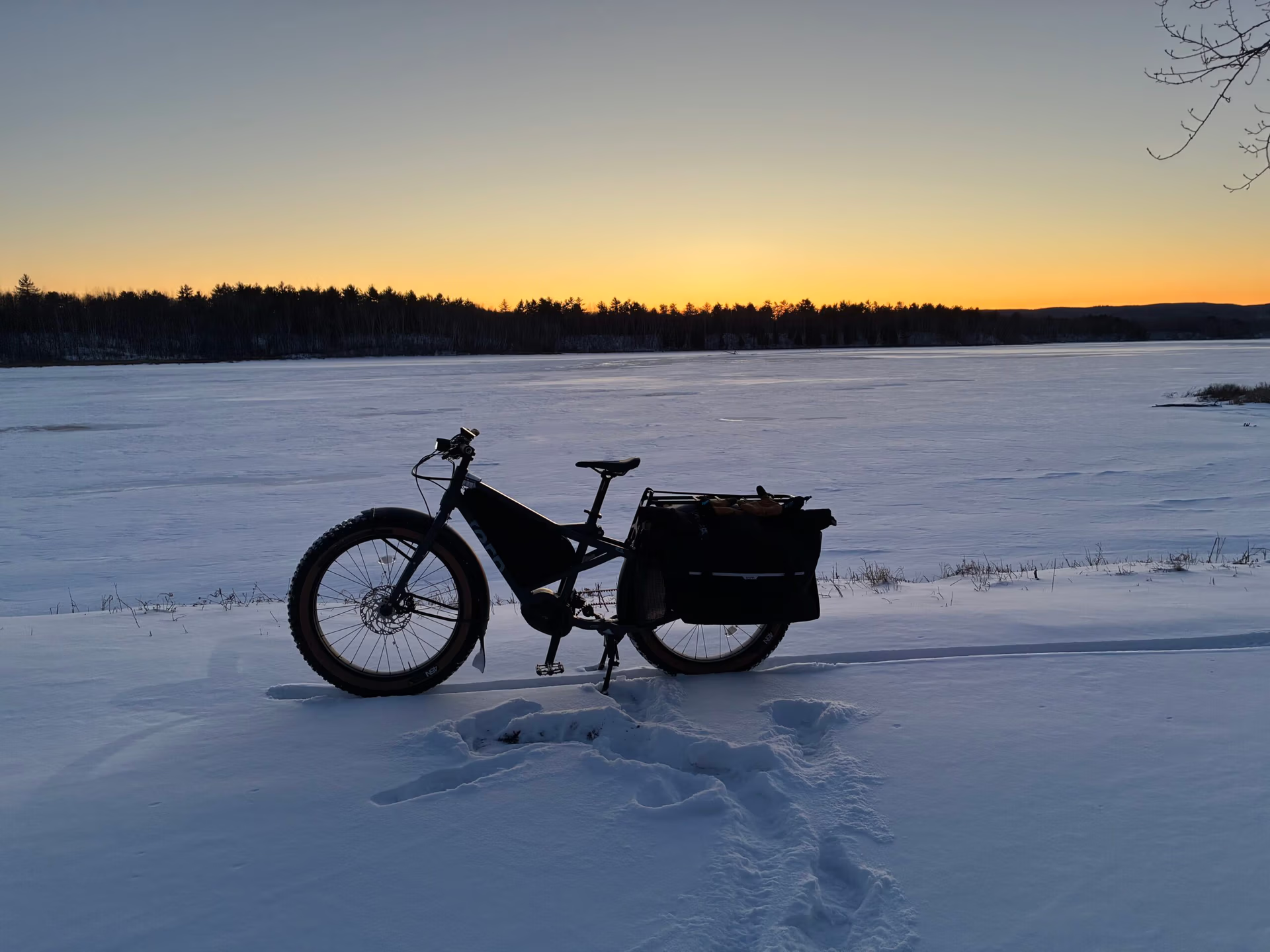
E-bikes are faster overall, but the weight of camping equipment actually drains the battery faster, so you will need to stop to charge. In an effort to conserve battery, I set the bike to its lowest power setting; this made the ride slow, and I would have covered the same distance on a standard bike at the same speed. I highly recommend just sticking to a standard bike for longer trips like these.
Don’t forget to be safe and store your food properly from bears.
The Future is Pedaled
Biking Douglas County offers a way to move through the world at a human pace, revealing details that a car’s windshield obscures. It’s a chance to connect with the landscape and community in a way that feels increasingly rare. Yet, the stress of modern traffic often intrudes on this simple joy. We’ve all experienced the tension of navigating busy streets, the frustration of traffic jams and the feeling of being trapped inside a metal box. Do we feel the same carefree exhilaration we felt as kids, when a bike meant pure freedom?
The Blatnik Bridge closure presents a unique opportunity to reconsider our relationship with transportation. As traffic patterns shift and congestion increases, the bicycle may become not just a recreational choice but a practical and even time-saving alternative. Imagine bypassing gridlock, arriving at your destination with a clear mind and a sense of accomplishment, rather than frazzled and impatient.
Investing in bike infrastructure isn’t just about building trails; it’s about reclaiming the joy of movement, reducing stress and creating a more livable community. It’s about remembering the simple pleasure of a bike ride and choosing a future where that feeling is accessible to everyone, regardless of age or ability.
Ryan Figueroa is a student at the University of Wisconsin-Superior and an employee of E-Bike Duluth.