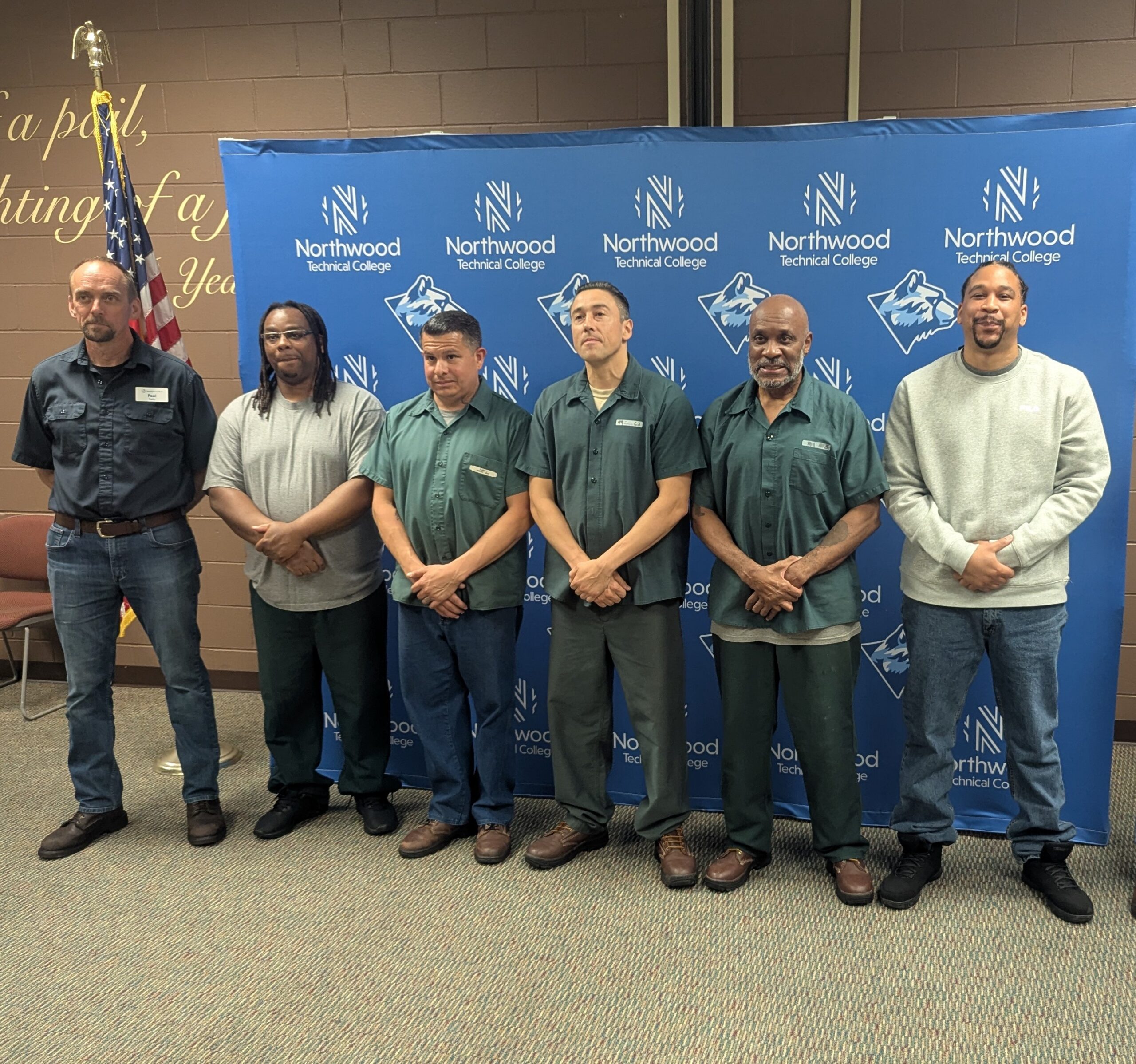
Northwood Tech and Department of Corrections Gives Students a New Path
At Northwood Technical College’s Superior Campus, the sound of machinery signifies something deeper than technical training – it signals change. Through a partnership with the Wisconsin Department of Corrections, justice-involved individuals are gaining workforce skills, renewed confidence and a definitive path – one built on workforce training, reentry preparation and community contribution.”
The eight-week Machine Tool Operation program provides industry-relevant training for jobs such as machine operator, machinist apprentice, or machine setup operator. It also lays the groundwork for continuing education within the Wisconsin Technical College System to pursue the full two-year diploma.
But this initiative is about more than just learning to run machines. It’s about providing a foundation for reentry, stronger communities.
A New Direction, A Second Chance
For the students enrolled, the program is more than a class – it’s a turning point.
“Some of the most talented people I ever met are actually in prison,” said M.R. “This program helps people go to school and have a future set. That’s how you give back – by helping other people get ahead.”
Many believe that having a trade gives them a better chance to succeed and avoid returning to the DOC.
“If you have a skill set, it doesn’t matter what you are – your skill is what speaks for you,” M.R. said. “It stops people from getting out and then coming back here because they have no skill set.”
Student J.F. agreed saying, “If we can get a way to learn a skill and be able to make some money, then it’s a better shot at people not coming back to prison.”
Several students said they didn’t know trade school was an option when they were younger. Their schools emphasized four-year college pathways, which didn’t fit their circumstances.
“As I was growing up, I didn’t even know what a tech school was,” J.F. said. “If I would have had the opportunity to know you can graduate, go to a trade school and work while going to school, I would have done that.”
For D.M., the class offered a new direction.
“This class gave me the opportunity to learn something different from what I’ve known,” D.M. said. “I’ve always been interested in machines, so when I saw the chance to take this course, I took it. I’ve found that I really enjoy working with machines, and I’m thinking about looking further into it, maybe even jumping into the field or furthering my education after I’m released.”
Beyond gaining technical skills, students say they’re also building soft skills – communication, teamwork and professionalism – that will help them succeed.
They also agreed on the impact of Paul Kalin, machine tool instructor.
“Mr. Kalin, he’s a great teacher. He takes his time with us and makes sure we understand everything before we move on,” E.B. said.
Kalin has seen firsthand the changes students undergo.
“They all know that reentry will have its challenges, and the skills they’re learning will make those challenges more manageable,” said Kalin.
Students who complete the program are eligible to receive a letter of recommendation based on attendance, professionalism and demonstrated skill.
“I can’t speak to their past, but I can speak about the eight weeks we spent together – whether they showed up, how they treated others and the potential they showed,” Kalin said.
He sees the program as a stepping stone to a stronger future – and for the communities they return to.
“My goal is to give these men a solid place to put their boot down when they reintegrate into our community,” he said. “If they have a place to work and the ability to feed themselves, there’s a good chance they will be successful. Our community will benefit from lower recidivism and the filling of open jobs.”
Workforce Readiness Through Partnership
The Wisconsin DOC sees technical training as more than classroom work – it’s a practical tool to help justice-involved individuals find steady jobs and move forward. Partnering with Northwood Tech gives students the hands-on skills they can use right away.
“Education gives these students a real shot at earning a living once they’re out,” said Kristen Hoile, reentry programs manager for the Wisconsin DOC. “We choose programs that teach skills for in-demand jobs, so they can support themselves and their families.”
The partnership is part of a two-step model. First, students earn a diploma. Then, the Wisconsin Correctional Center System places participants in work-release jobs where they apply their skills to gain experience before release.
While apprenticeships aren’t currently part of the program, the hands-on experience helps students build resumés and confidence.
“We hear all the time how this kind of training gives people hope, pride and a sense that they’re worth something,” Hoile said.
Student A.N. said he’s grateful to be part of the program.
“It’s definitely beneficial, and I’m glad I came to Gordon and was able to be a part of this. It shows that they’re making the right step forward,” A.N. said. “It’s really helpful. I hope it continues.”
Building a Stronger Workforce Pipeline
Beyond helping justice-involved individuals regain purpose, the program addresses regional workforce shortages. According to Dan Miller, associate dean of workforce and community development at Northwood Tech, the program offers benefits on both sides – helping students find new footing and helping businesses find capable talent.
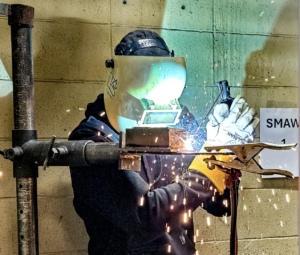
“On average, we run two to three training academies each year with about nine students per group,” Miller said. “We’ve offered programs in welding, refrigeration, construction and machine tool – all focused on giving students practical skills they can use to get to work after release.”
Some employers have already visited the training academies to speak directly with students. With growing interest, Northwood Tech aims to build more connections between reentry and workforce development.
“When our students succeed, our communities benefit,” Miller said. “These programs give people a fresh start and give local employers a reason to believe in second chances. That’s a win on both sides.”
For more information on how Northwood Tech is “Transforming Communities” through their programs, visit NorthwoodTech.edu.