
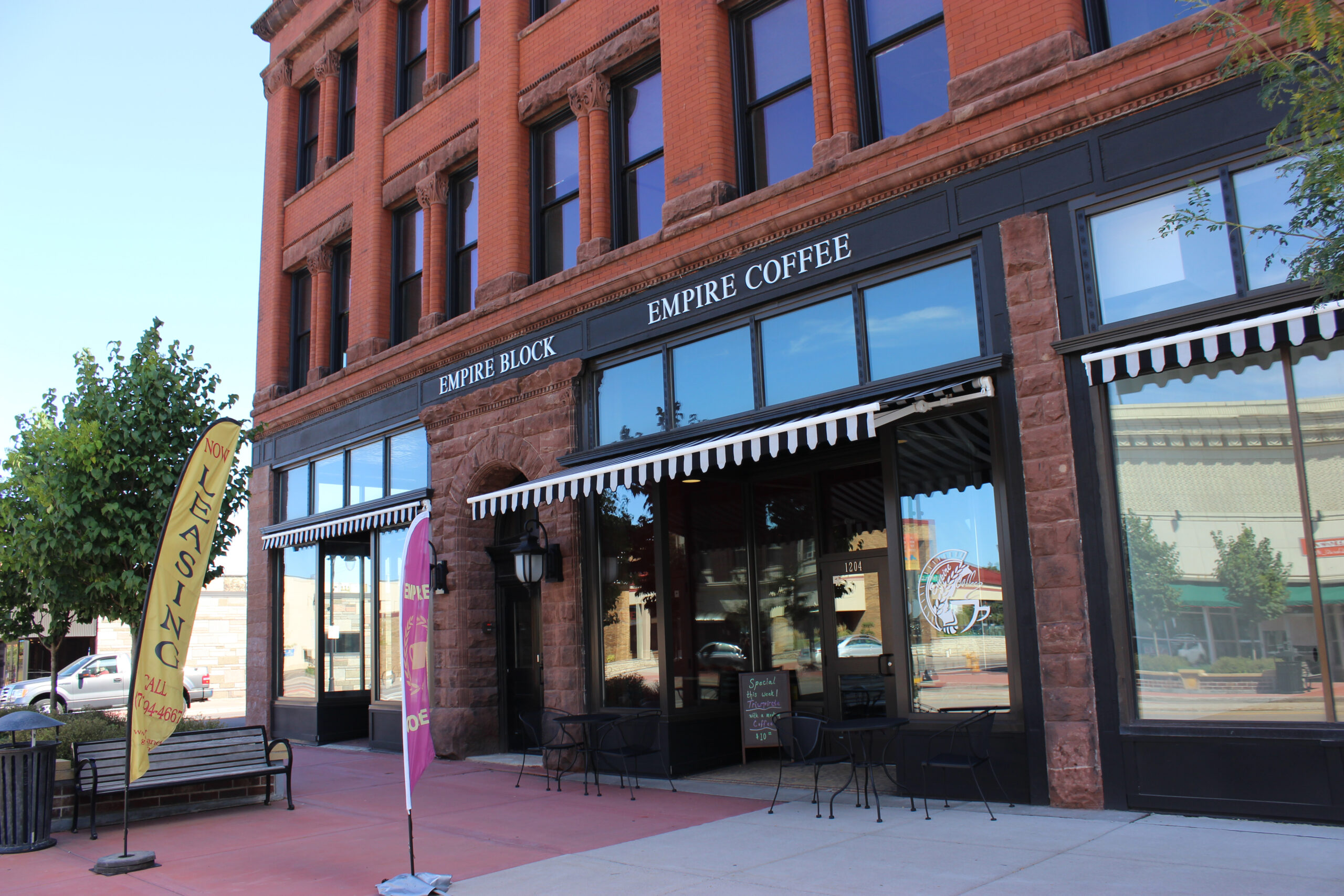
Housing is the silver bullet of economic development. Over the summer, I met with our Planning & Economic Development staff, the Superior Fire Department, Building Inspection and City Council members Tylor Elm and Garner Moffat. Our goal was to refine ideas for building stability in our downtown neighborhoods and explore ways to encourage residential redevelopment of the spaces above commercial businesses along Tower Avenue.
When considering housing from an economic perspective, it’s essential to think about the residents. People are the lifeblood of local economies – they support local businesses, become entrepreneurs and sometimes start new businesses from their homes. Increasing housing helps secure both customers and employees for local businesses.
Superior has achieved success by intentionally coordinating and directing resources. In 2009 and 2018, the redevelopment of the Washington and Empire blocks was accomplished by combining local funding with state programs.
We must remain proactive as we prepare for the workforce that will reconstruct the Blatnik Bridge. During the refinery’s reconstruction, the housing shortage intensified, leading to increased rents. When hotels serve as workforce housing, the tourism tax, which would typically benefit local entities, is not applied and, therefore, not reinvested into our community’s initiatives and events.
During December’s Plan Commission meeting, we discussed the city’s most recent housing study (2023), which shows a shortfall of 1,000 units, among other needs.
Cities have a variety of economic development tools, including establishing TIDs, offering financial incentives, facilitating development agreements and zoning. Updates to our zoning code can help separate buildings (zero lot line) for owners who don’t want to be landlords. Using zero lot line concepts, owners can sell the upper portions of their buildings to own, redevelop and manage. Homeownership is the safest and most lucrative investment most people will ever make; zero lot line policies can make those possible beyond traditional single-family homes. In addition to zoning, community land trust opportunities could be activated locally.
Another option is amending the small business grant program to cover architectural surveys, allowing owners to get a comprehensive idea of the work needed to prepare their spaces for their next chapter.
Demolition is expensive. About six years ago, Superior shifted toward building preservation and redevelopment by hiring a full-time housing coordinator to join the planning office. This summer, Housing Coordinator Jeff Skrenes identified 59 initial upper-floor units with potential for redevelopment.
Launched in 2021, our Vacant to Value housing/land programs have redeveloped 12 properties that are now home to new families and are contributing to the tax rolls. Many commercial spaces throughout the city have vacant areas above businesses. We could be missing an opportunity to invite people not only to visit our commercial districts but to live there.
During Superior Days, we can encourage state agencies like WHEDA/WEDC to allow their downtown housing programs to overlap, maximizing their reach
Vacant Building Registration
Vacant buildings pose significant fire and blight risks to surrounding downtown businesses. To address these issues, Wisconsin municipalities are developing and defining vacant building registry programs to protect public health and safety, grounded in their economic development mission statements.
For example, Menasha, a community in northeastern Wisconsin, has approved an ordinance amendment aimed at keeping their downtown vibrant and well-maintained. The amendment highlights that vacant buildings negatively impact both the maintenance of the properties and the profitability of neighboring businesses. (menashawi.gov)
It’s crucial to be direct, helpful and firm with property owners who refuse to develop valuable spaces. While many communities have largely banned vacant spaces in commercial districts, Superior lags in implementing this fundamental economic development strategy.
For fire inspection purposes, having current information about building owners and usage is essential. The registry’s purpose is not punitive; rather, it aims to emphasize the value of potential housing units in and around small businesses. It also encourages a proactive approach to filling vacant buildings.
People are the cornerstone of economic development, and the best way to leverage this knowledge is through intentional housing initiatives. We suspect that building codes and construction costs are the primary barriers to renovating upper floors. Therefore, it is vital to hear from business owners about their unique challenges and explore local solutions.
Our next steps will involve determining boundaries and definitions and identifying city expertise to tackle these issues. Once we gather input from interested business owners, we can move forward with effective local solutions.
Nugget: Expanding Itasca: Lake Superior Elementary to be redeveloped into apartments.
Jenny Van Sickle represents the Allouez, Itasca, and Old Town/ East End neighborhoods on the Superior City Council.